While case studies showcase teams of
researchers, designers, and strategists, research
(1) shows that
a
large portion of CX managers work alone or in teams-of-few. This isn't
always intentional but rather a consequence of organizational size, CX
maturity, or budget constraints. Companies recognize the importance of customer
experience but aren't ready or able to commit to full infrastructure.
The challenges solo CX managers face fall into
four interconnected categories that get worse over time:
- Resource
constraints are the primary challenge. You never have
enough time, money or skills, as you're forced to be a jack-of-all-trades
- Building
the plane mid-flight is the second challenge. You deal
with a lack of processes, understanding what you do and strategic buy-in from
leadership
- Professional
isolation is an amplifier to the challenges as you
don't have coworkers you can spar with for new ideas, which also limits your
development
- Stakeholder
management is a real topic. Departments pull you in
multiple directions, believing their needs should be your top priority. The
need to justify value never ends, as every project becomes a referendum on your
worth.
Underlying all four challenges is a
fundamental communication problem. In CX we talk customer satisfaction, while
leadership speaks business outcomes. We discuss journey mapping while they
focus on quarterly results. We present NPS scores, while they want revenue
impact.
This language
barrier creates a credibility gap that undermines valuable CX work. When
working solo, your ability to demonstrate value becomes even more critical than
in large organizations.
The
solution lies in becoming bilingual. You maintain your
CX expertise while developing business fluency (or vice versa!). This means
connecting your work to three fundamental drivers every business leader cares
about: increasing revenue, reducing costs, and managing risk.
Understanding how CX metrics work becomes
crucial. NPS, Customer Satisfaction, and Customer Effort Score are perception
metrics used as proxies for future customer behavior. But these metrics don't
work in isolation. They're driven by parameters that influence perception and
thus behavior.
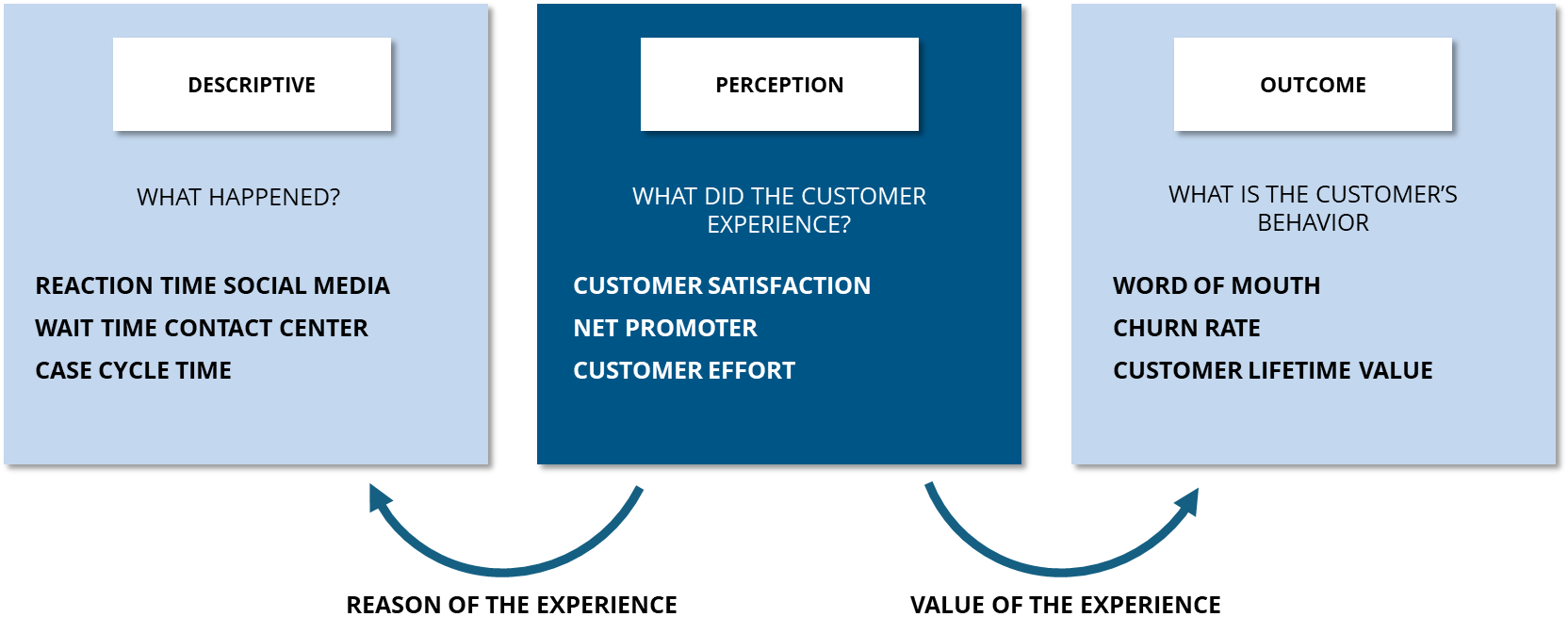
Figure 1: The Descriptive-Perception-Outcome chain
In customer service, for example, good NPS
might be driven by low call handle time, high first-time resolution, and low
wait time. Understanding these
parameters is the first step to creating necessary circumstances for positive
perceptions.
As a solo CX manager, you're expected to be
researcher + analyst + strategist + project manager + implementer +
communicator.
The job description says "CX
Manager," but the reality is "CX Everything." The answer is to
be really strict about what is most important. This involves:
- Knowing what is
important to the business in the short and long term, figuring out which CX projects will have the largest effect, and
being honest about how much work is needed to make a real difference. Not
every request deserves equal attention, and not every stakeholder's
urgency reflects actual business priority.
-
Building coalitions when
you can't do everything yourself. The IKEA-effect(2) becomes your secret weapon. Involving other functions in co-creating
solutions that have impact but require minimal effort from them. When
people participate in creating something, they become invested in its
success.
- Automation to become your force multiplier. Lightweight survey platforms like Typeform handle routine feedback
collection without manual intervention. Analytics through Mouseflow and
Hotjar provide ongoing insights without daily analysis. Airtable becomes
your trusted partner for data analysis.
But the real breakthrough comes from shifting
mindset. Instead of trying to do
everything yourself, focus on creating systems that enable others to contribute
to customer experience improvements. Instead of being the bottleneck,
become the catalyst.
Most best practices are written for larger
teams with dedicated specialists. You don't have that luxury, but you can't
compromise on quality. The solution lies in seeing constraints as opportunities.
The first step should be adapting processes and creating minimum viable product versions of
full CX approaches. Identify the essential elements that drive insight and
impact while eliminating activities that consume resources without proportional
value.
Guerrilla research tactics become invaluable
when formal budgets don't exist. Quick hallway
tests reveal usability issues before they reach customers. Secondary research maximization
extracts every possible insight from existing data before commissioning new
studies. Prototype testing becomes
possible using tools like Figma. A/B testing on a budget can be accomplished
through email campaigns or simple landing page variations.
Constraints lead to more creative and
effective solutions than unlimited resources.
Working as a one-person CX team is like being
a Swiss Army knife. You're launching surveys from idea to implementation,
managing multiple projects simultaneously, and solving problems across every
customer touchpoint.
This develops what we call a
π-shaped CX manager; someone with deep
expertise in two functional areas while maintaining broad competency across the
entire discipline. You might specialize in customer research and communication
or product management and customer service, but you need working knowledge of
everything from marketing to operations.
Your toolkit must reflect this
multi-functional reality.
But the most
important element is your network. Building internal CX champions
multiplies your influence, and cross-functional collaboration leverages
expertise in other departments.
The solo CX manager is an advantage in
disguise.
Because you know how to:
- Implement solutions
- Build direct customer
relationships
- Find creative ways to generate
insights
- Know how to drive improvements
The constraint is the catalyst.
The future belongs to those who can adapt,
innovate, and deliver impact within real-world constraints. As a solo CX
manager, you're not just surviving in this environment, but you're mastering it.
(1) CXM
Academy research, 2024 CX Compensation Survey, and 2025 State of Customer
Journey Mapping
(2)
IKEA-Effect is a cognitive bias where people place a disproportionately high
value on things they helped create or assemble, even if the quality is
objectively lower than alternatives.